
Tamarac Concrete: Best Time to Pour in Florida
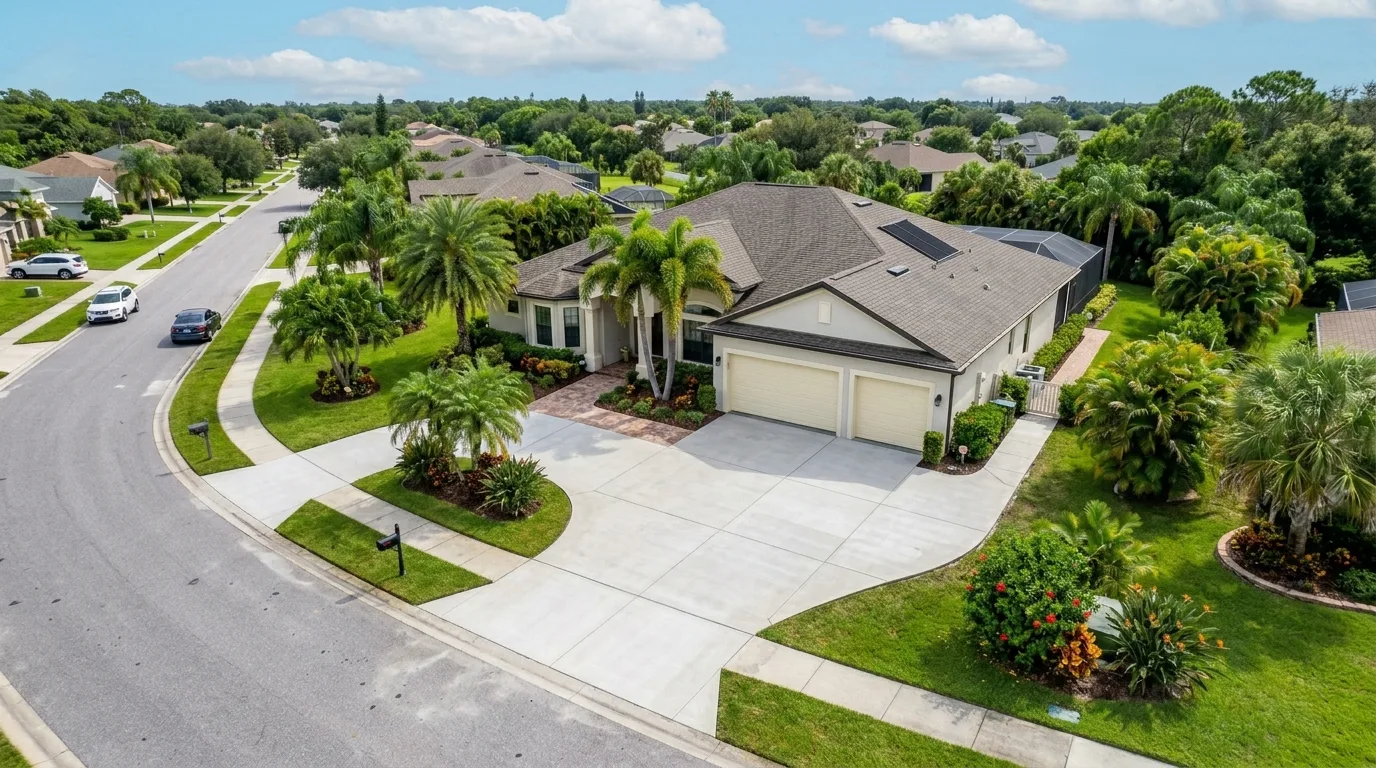
Tamarac’s driest month — January — still sees an average of 10 rainy days and nearly 2 inches of rainfall. That context explains why timing matters differently here than in most of the United States: concrete work in Tamarac isn’t about waiting for “concrete weather” — it’s about scheduling around predictable seasonal rain patterns. In this post, we cover the optimal concrete pouring season for Tamarac, why summer pours are riskier, how Broward County’s climate affects curing, and what the best scheduling strategies are for residential concrete projects.
Schedule Your Tamarac Concrete Project
Call Tamarac Concrete Pros at (888) 376-0955. We help you find the best scheduling window for your project.
Why Concrete Season Timing Matters in Tamarac
Concrete quality is fundamentally about water control — you add a specific amount of water to achieve workability, and then you need that water to evaporate (cure) at a controlled rate. Too fast, and the surface cracks from rapid moisture loss. Too slow, and the concrete takes longer to reach strength, delaying use. In Tamarac, both problems are seasonal: summer’s combination of high humidity, intense heat, and daily afternoon thunderstorms creates rapid surface evaporation risk followed by sudden saturation risk. Winter’s lower humidity and stable temperatures eliminate most of these variables.
The practical result is that concrete poured in Tamarac during October through March cures more reliably and achieves higher strength than summer pours — not because summer is impossible, but because the failure modes are more numerous and less predictable. Experienced Tamarac concrete contractors work year-round, but they use additional curing measures in summer (misting, wet curing blankets, evaporation retarder additives) that add cost and complexity that winter pours avoid.
Types of Seasonal Windows
October–March (Dry Season — Optimal): Temperatures stay in the 65–85°F range — the ideal window for concrete curing. Relative humidity is lower than summer, and daily afternoon thunderstorms are rare. January, the driest month, has only 10 rainy days compared to August’s 26. Concrete poured in this season cures slowly and achieves higher final strength. Many contractors are busiest during this period, which can extend scheduling lead times to six to eight weeks.
April–May (Shoulder Season — Good): Temperatures begin climbing and humidity increases, but conditions are still manageable for concrete work. Afternoon thunderstorms are less frequent than summer. The window is narrowing, and experienced contractors begin scheduling around weather forecasts more carefully. Good option for projects that miss the December–February prime window.
June–September (Rainy Season — Challenging): Broward County’s rainy season. Daily afternoon thunderstorms are routine, with August averaging 26 rainy days. Fresh concrete is vulnerable to heavy rain for the first four to six hours after placement. Contractors must monitor radar and are sometimes unable to start pours they planned due to afternoon weather changes. Temperature highs reach 91°F with high humidity — rapid surface evaporation requires wet curing measures. Projects scheduled in this window are possible but require more contingency planning.
Practical Uses — When to Schedule Each Project Type
Large Concrete Driveways: Strongly prefer October–March. A 500-square-foot driveway pour is a half-day commitment — if afternoon rain arrives during the critical initial-set period, damage can occur. Dry season scheduling eliminates this risk. Book contractors at least six to eight weeks in advance during peak season.
Concrete Patios: October through April. Patios are outdoor living spaces that are used more in cooler months anyway — scheduling a patio pour in December means you’re using it by March with the full season ahead. Same weather risk profile as driveways.
Pool Deck Resurfacing: Best in October–March when pool use naturally declines and humidity is lower for proper overlay curing. Resurfacing overlays are particularly sensitive to humidity during application.
Concrete Slabs (Garage, Shed): Can be scheduled year-round because they’re enclosed or partially protected. Summer slab pours are more manageable than open driveway pours because the structure provides some protection from rain. Still better in dry season for quality reasons.
Concrete Repairs (Crack Fill, Small Patches): Can be done year-round. Small-area repairs are less vulnerable to sudden rain events than full pours. Dry season preferred for resurfacing overlays due to humidity sensitivity.
How Tamarac’s Climate Affects Concrete Curing
Concrete gains strength through a chemical process called hydration — water reacts with cement particles to form calcium silicate hydrate crystals that bind the mix. This process benefits from moisture being retained in the slab during the first seven days (and continues at a declining rate through 28 days). Tamarac’s dry season supports this — ambient humidity keeps some moisture available, and cooler temperatures slow evaporation.
Summer’s challenge is that Tamarac’s combination of high heat and low surface humidity (even in a high-humidity environment, surfaces in direct sun dry rapidly) can pull moisture from the top surface before the lower portions of the slab have fully reacted. This creates a strength differential — strong below, weaker at the surface — that manifests as surface scaling and dusting over time. Proper wet curing (wet burlap covered with plastic sheeting) eliminates this risk but adds labor and time.
The Mainlands of Tamarac Lakes area — built on lower-lying land with historically higher water tables — sees an additional effect: groundwater wicking up through sandy soil can keep sub-bases wet longer after rains, slowing strength gain from below. This is managed with vapor barriers and well-compacted aggregate bases, but it’s another reason experienced Broward County contractors are worth the premium.
Plan Your Tamarac Concrete Project This Season
Call Tamarac Concrete Pros at (888) 376-0955 to discuss timing, permits, and scheduling for your project.
Cost Factors
Standard concrete pricing in Tamarac runs $8–$12 per square foot for broom-finish work. Some contractors offer 5–10% off-season discounts during the slower June–September period to maintain crew utilization during lower-demand months. This discount can be real, but weigh it against the added complexity and potential weather risk. The permit coordination through Tamarac’s ePermits system takes three to seven business days regardless of season — factor that into your total project timeline. For a complete project estimate, visit our concrete driveways service page or use the free cost calculator.
Frequently Asked Questions
When is the best time to pour concrete in Tamarac, FL?
October through March is the optimal season. Temperatures in the 65–85°F range, lower humidity, and infrequent afternoon rain create ideal conditions for concrete curing. Concrete poured in this window achieves higher strength and requires fewer curing interventions than summer pours. January through February is the peak dry season within this window.
Can you pour concrete in Tamarac during the summer?
Yes — experienced contractors work year-round in Tamarac. Summer pours require additional precautions: wet curing measures to manage rapid surface evaporation, radar monitoring for afternoon storms, and early-morning pour start times to complete placement before peak afternoon temperatures. Summer pours are more complex and occasionally get delayed by weather, but they are not impossible with the right approach.
Do concrete permits take longer during busy season in Tamarac?
Permit processing through Tamarac’s ePermits system typically takes three to seven business days year-round. The bottleneck during busy dry season is contractor scheduling availability, not permit processing speed. Book contractors well in advance during October–March — the best crews fill their schedules six to eight weeks out during peak season. See our Tamarac permit guide for the complete permit process.
Book Your Tamarac Concrete Project
Call Tamarac Concrete Pros at (888) 376-0955. We'll help you find the optimal scheduling window for your specific project.
Related: